
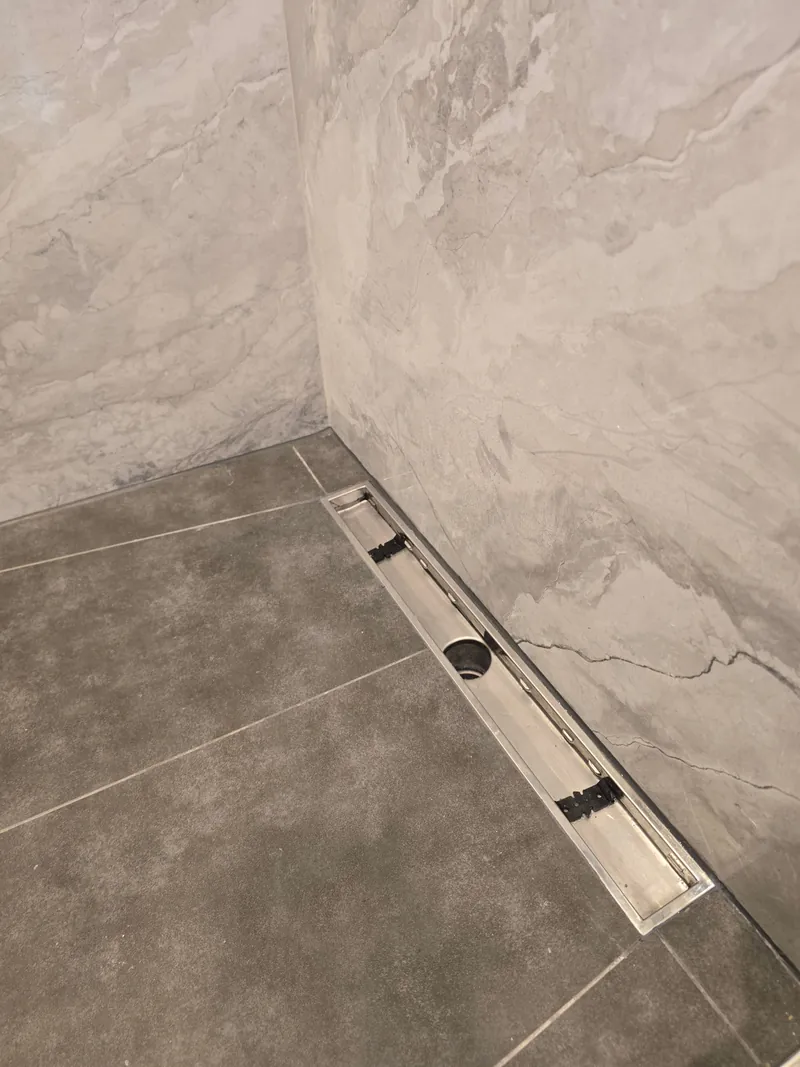
Paint, tile, cabinets and similar finish work usually need no permit. Replacing a toilet or faucet in the same spot is on unincorporated Snohomish County's exemption list, but Everett's plumbing permit covers fixture replacements. Moving or adding plumbing, new electrical circuits, structural changes, and ventilation changes usually do. A typical full remodel involves plumbing, electrical, and sometimes mechanical permits, with rough-in inspections before walls close. Your contractor should pull them, not you.
What needs a permit, in plain English
Usually no permit: painting, tile, trim, mirrors, cabinets and countertops, most flooring and similar finish work. Swapping a toilet or faucet in the same spot depends on where you live: unincorporated Snohomish County's list of common permit exemptions includes like-for-like fixture replacement, while Everett's plumbing permit covers fixture replacements too. The table below compares the two.
Usually yes, a plumbing permit: moving a drain or supply lines (tub-to-shower with a relocated drain), adding a fixture, replacing the shower valve inside the wall, re-piping.
Usually yes, an electrical permit: new circuits (heated floors, a dedicated fan, added outlets), moving wiring, panel work. Washington handles electrical separately: in most of the state L&I issues the electrical permit, while some cities, including Everett, Lynnwood and Seattle, issue their own.
Case by case: exhaust fan changes with new ducting (mechanical), any wall or framing changes (building), window changes in the wet zone (building and energy code). Exact thresholds vary by city. Everett, Lynnwood and unincorporated Snohomish County each run their own (Everett, Lynnwood, Snohomish County), which is why the permit step follows the rules of your city or county.
| City of Everett | Snohomish County (unincorporated) | |
|---|---|---|
| Building permit | Everett Permit Services: residential building permit, which covers remodels of houses and duplexes | Snohomish County Planning and Development Services (PDS): residential building permit; interior remodels are on its list |
| Plumbing permit | Everett Permit Services: plumbing permit for piping inside the house and for fixture installations or replacements (sink, toilet) | PDS: residential plumbing permit for any work on water supply or drain lines; a building permit instead when the work goes beyond adding or moving fixtures |
| Electrical permit | City of Everett, which runs its own electrical permits and inspections | Washington State Department of Labor & Industries (L&I) |
| Usually needs a permit | Moving drains or supply lines, adding a fixture, replacing a toilet, sink or faucet, electrical work (a new circuit, a heated floor, a new fan), wall or framing changes | Moving drains or supply lines, adding a fixture, electrical work through L&I (a new circuit, a heated floor, a new fan), wall or framing changes |
| Usually no permit | Paint, tile, cabinets, countertops and similar finish work; fixing a leak or clearing a clog without replacing pipes, valves or fixtures; pulling and resetting the same toilet | Paint, tile, cabinets, countertops and similar finish work; replacing a fixture like for like; fixing a leak that doesn't mean removing traps or drain pipes |
| Official pages | Everett Permit Services, which permit you need, permit exemptions (PDF) | residential building permits, common exemptions (PDF), plumbing permits (PDF), L&I electrical permits |
Checked October 2026 on the City of Everett, Snohomish County and L&I sites. Inside other city limits, that city's permit office applies. Rules change, so confirm with the permit office before work starts.
Request an on-site consultation
Tell us about your room, and we'll call to set up a free on-site consultation.
What inspectors actually look at
Bathroom inspections focus on practical checks: correct pipe sizing and venting, pressure-tested supply lines, GFCI protection near water, properly rated fan ducting to the exterior (not the attic; see bath fan requirements in Washington), and, at rough-in, everything visible before drywall and tile hide it. That order matters, because drywall and tile cover the rough-in work. Ask which permits and inspections the written scope includes. We schedule inspections as part of the build. The inspection date depends on the city or county, and your project file keeps the records.
The real cost of skipping permits
At resale. A remodel with no permit history can raise questions, and a buyer may ask for a price adjustment or for retroactive permits. That can mean opening finished walls to show an inspector the plumbing.
With insurance. Coverage is between you and your insurer. A permit and its inspections leave a record of what was built and when.
With the city or county. Work discovered without permits (a complaint, a later permit application) can trigger stop-work orders and added fees. What happens next depends on the permit office.
Read next
Permit questions come up most with bathroom additions and complete remodels that move plumbing, walls or wiring.
People also ask
Who pulls the permit, me or the contractor?
The contractor doing the work should pull it under their registration. Ask who pulls each permit, check that the written scope says so, and confirm the contractor's registration with L&I (see the hiring guide).
How much do permits cost and how long do they take?
Fees are set by the city or county and depend on the type and size of the work, so we don't quote them here. Asbestos testing and permits are priced separately. We plan the permit time into the schedule before demo.
My last remodel wasn't permitted. Am I stuck?
Not necessarily. Cities and counties handle work done without a permit in their own ways, and the permit office decides what is needed. A remodel is a good time to ask: an inspector can see the work while the walls are open. Mention it at the estimate and we'll plan for it.